Top Natural Destinations Near Uvita
Marine parks, coral reefs, rainforest, and mangrove wetlands on Costa Rica’s spectacular South Pacific coast.
Discover Costa Rica’s South Pacific
Explore natural destinations near Uvita, Costa Rica, with Coral Expeditions: Marino Ballena National Park, Caño Island Biological Reserve, Corcovado National Park and the Térraba–Sierpe wetlands. Compare marine wildlife, snorkeling, rainforest walks and mangrove adventures to find the experience that fits your trip.
Marino Ballena National Park
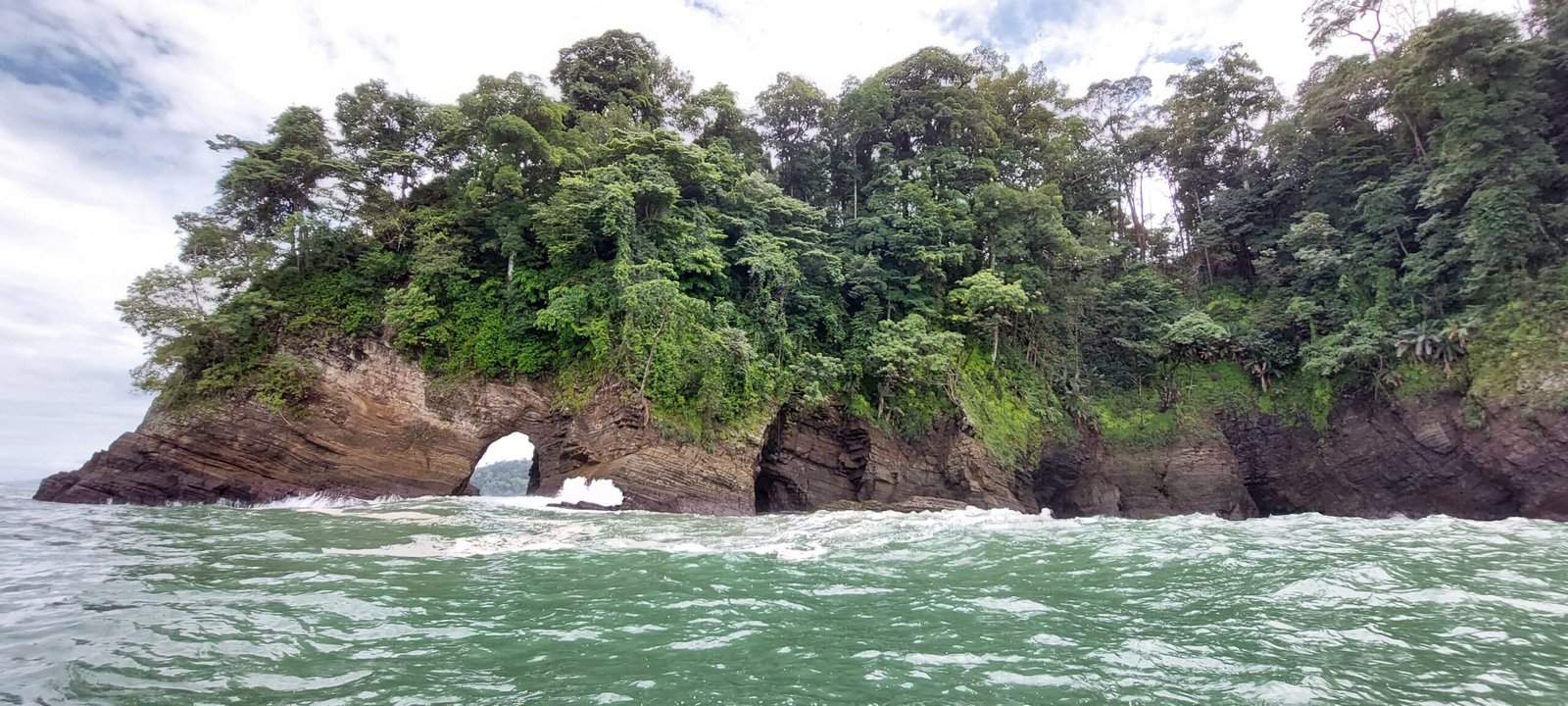
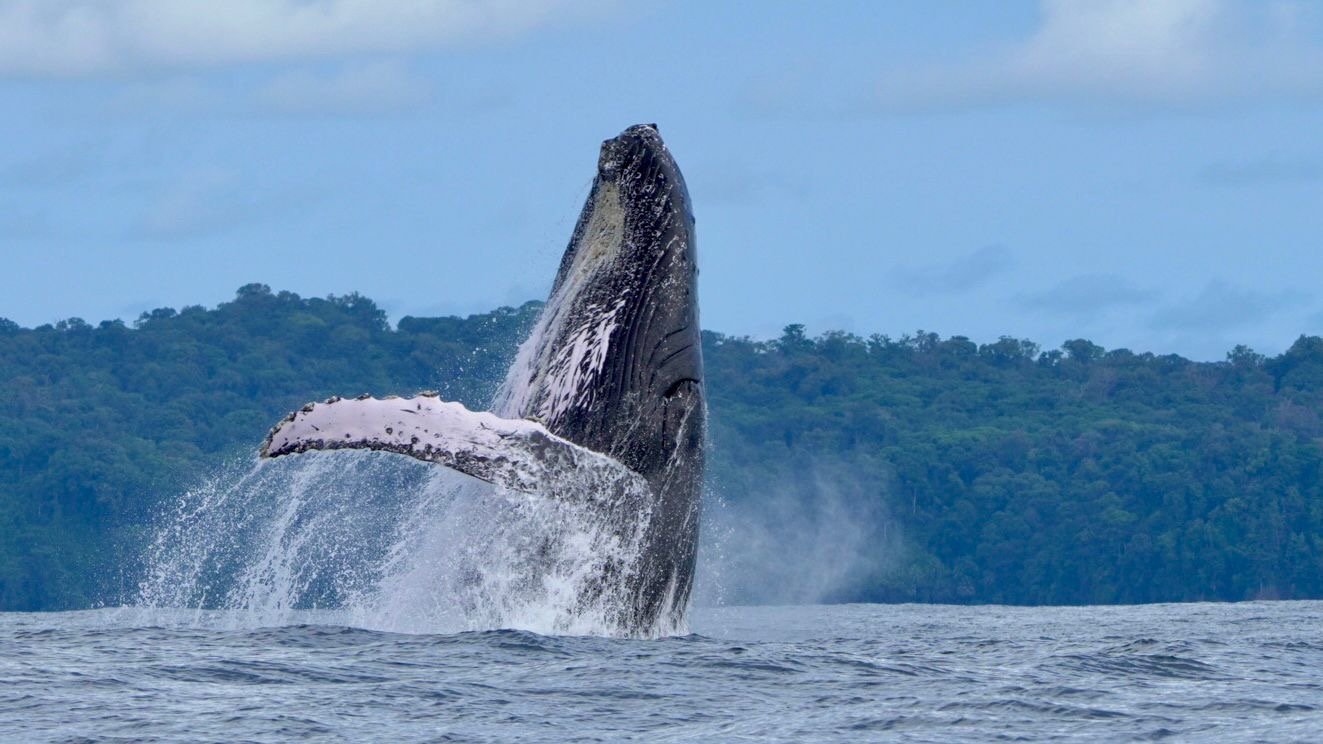
Located in Uvita, Marino Ballena protects the famous Whale’s Tail, beautiful beaches, coastal rock formations, marine caves, coral areas, dolphins, sea turtles, seabirds, and seasonal humpback whales. Explore the coast on our whale watching and dolphin tour from Uvita.
Caño Island Biological Reserve
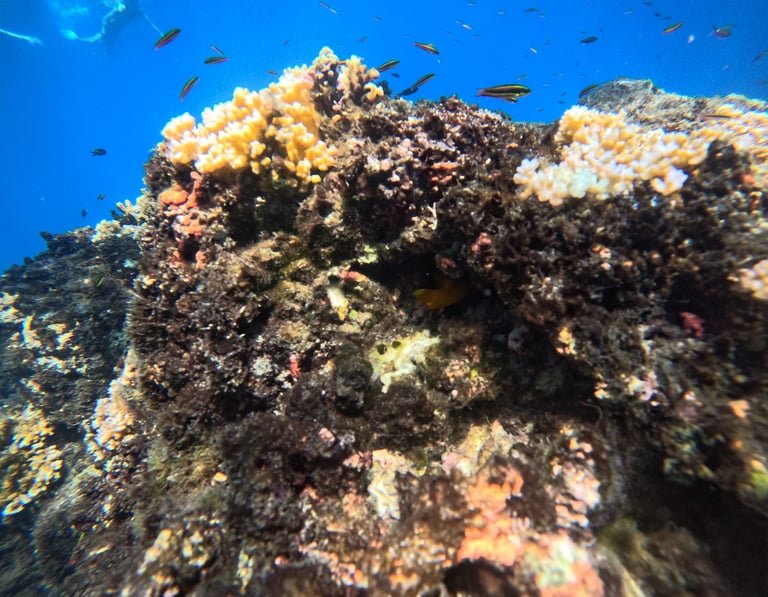
Caño Island is one of Costa Rica’s most celebrated snorkeling destinations, known for clear tropical waters, coral formations, colorful fish, rays, sea turtles, and other marine life. Discover the reserve with our Caño Island snorkeling tour.
Corcovado National Park
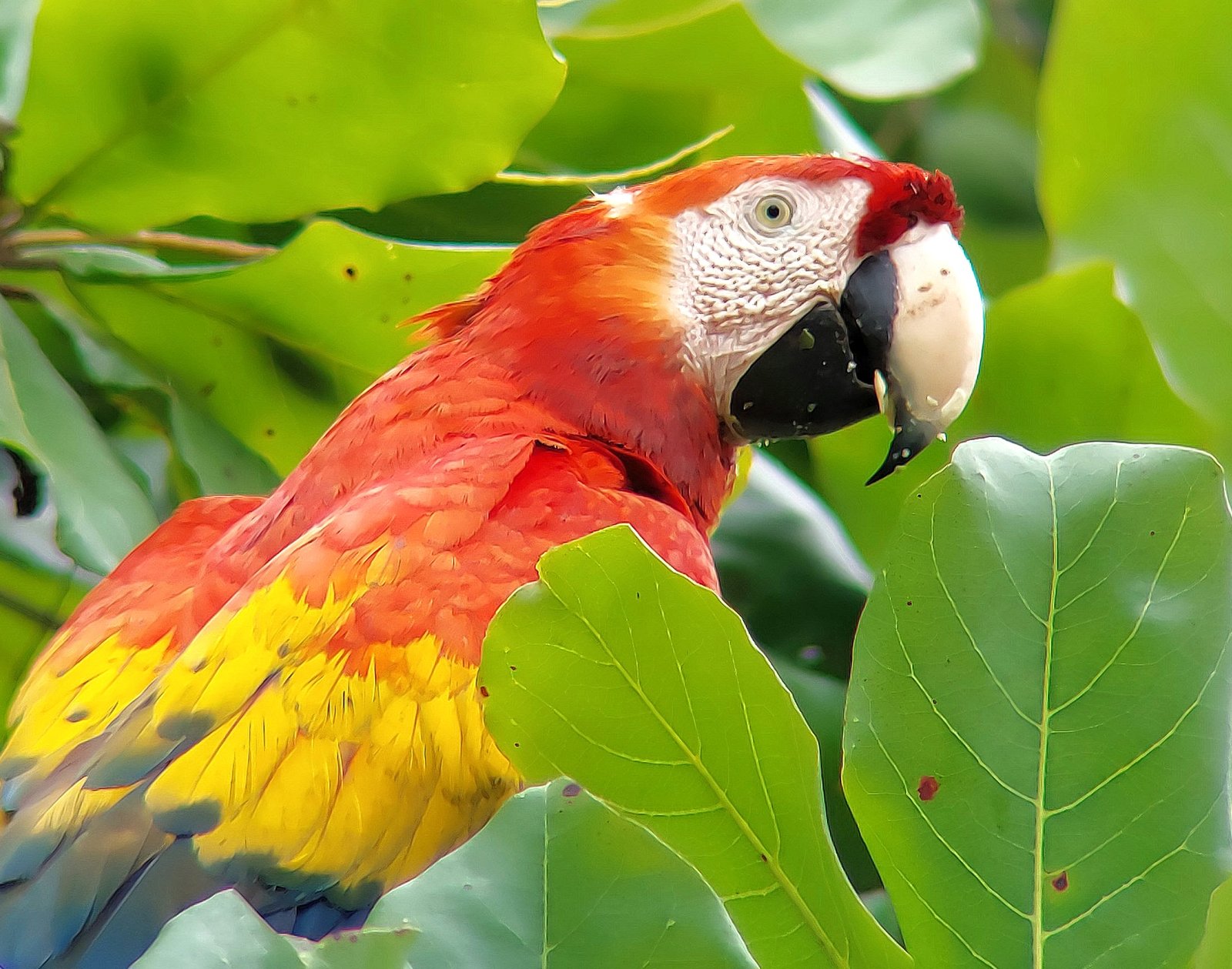
On the Osa Peninsula, Corcovado protects vast areas of primary rainforest and exceptional biodiversity. San Pedrillo offers coastal trails and opportunities to observe remarkable tropical wildlife. Visit San Pedrillo on our Corcovado day tour from Uvita.
Térraba-Sierpe National Wetlands
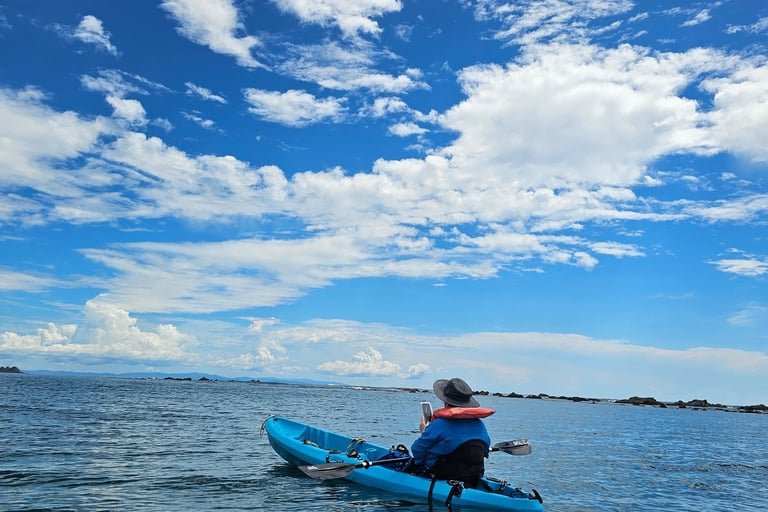
This extensive wetland system contains mangrove forests, protected channels, and habitat for hundreds of bird species, monkeys, crocodiles, caimans, reptiles, and other tropical wildlife. Choose a Sierpe mangrove boat tour or a Térraba mangrove kayaking tour.
Visit These Destinations with Coral Expeditions
Our tours connect visitors with the natural beauty of Uvita, Bahía Ballena, and the Osa Peninsula through responsible wildlife observation and professionally guided experiences.